

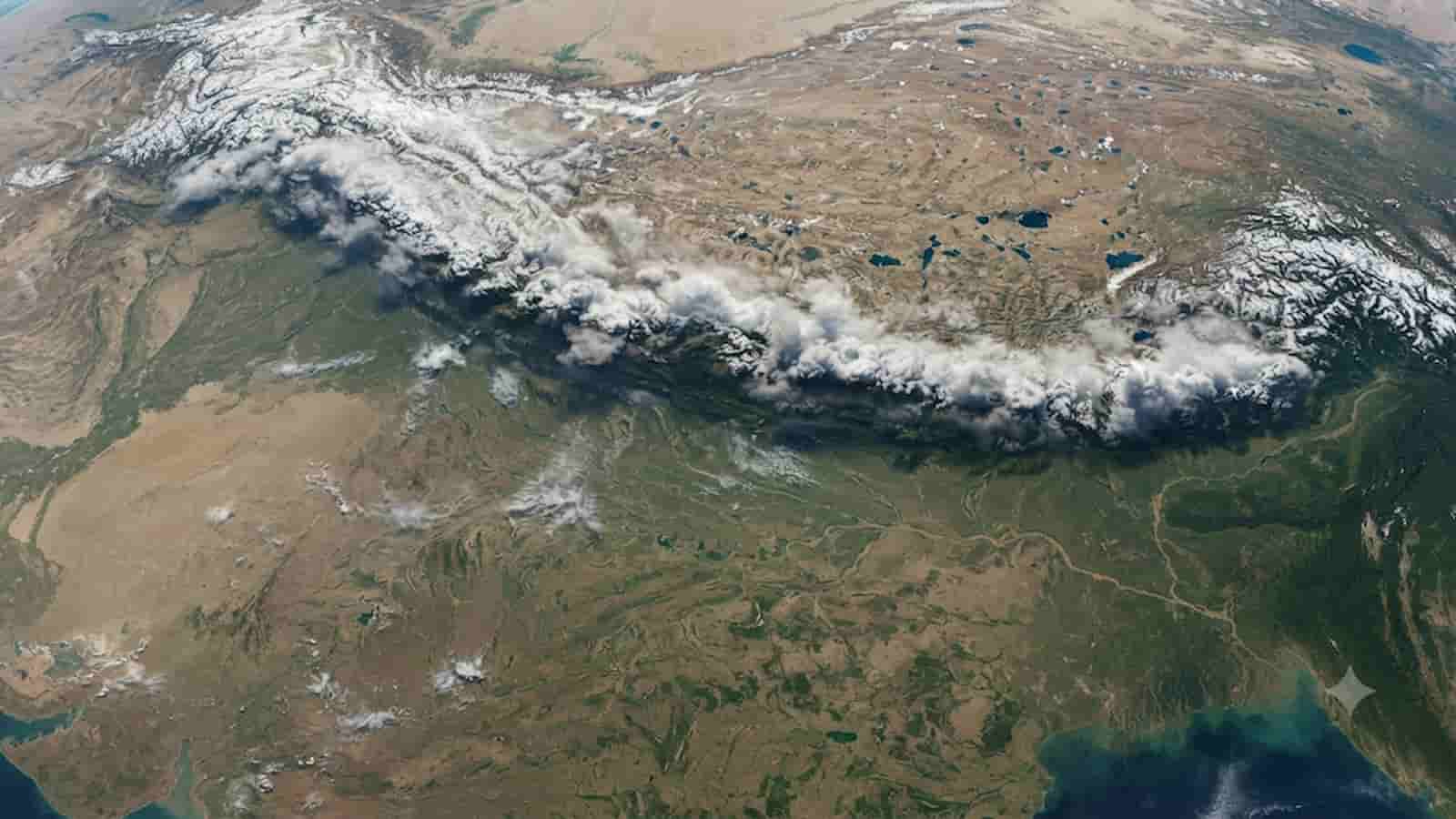
India is emerging from an exceptionally dry spell, with rainfall in June falling 42 percent below the long-term average, making it the third driest June in nearly a century. After weeks of subdued precipitation, meteorologists indicate that the South-West Monsoon is now preparing for a significant revival driven by two developing atmospheric systems.
According to reports cited from India Today Online, weather scientists are closely monitoring two key systems expected to shape rainfall patterns across the country in the coming days. One low-pressure area is likely to form over the Bay of Bengal, while another system is expected to develop over central India. Both systems are anticipated to move inland, drawing substantial moisture and intensifying monsoon activity across large parts of the country.
The monsoon trough, a critical low-pressure belt responsible for the majority of seasonal rainfall in India, has already formed but remains displaced significantly north of its normal position, lying close to the Himalayan foothills. This abnormal positioning has pushed the primary rain-bearing zone away from the Indo-Gangetic plains, delaying the effective onset of monsoon conditions in northern regions including Delhi and its surrounding areas. Forecast models now indicate a gradual southward shift of the trough toward its climatological position in the coming days.
As the monsoon trough returns to its normal alignment, atmospheric instability is expected to increase, triggering thunderstorms and widespread rainfall across Punjab, Haryana, Delhi-NCR, Rajasthan, and western Uttar Pradesh. Meteorologists expect this transition to begin between July 1 and July 5, marking a decisive strengthening of monsoon conditions over northern India, accompanied by a notable decline in temperatures.
The revival of monsoon activity is not solely dependent on the monsoon trough. Two successive low-pressure systems are expected to form over the Bay of Bengal this week and move inland through central India. These systems are projected to transport significant moisture into the subcontinent, strengthening monsoon circulation and enhancing rainfall across eastern, central, and western regions.
The Mumbai Metropolitan Region is also expected to experience intense rainfall activity, with some areas forecast to receive nearly 500 millimeters of rainfall by the weekend, signaling a sharp escalation in monsoon intensity.
The convergence of these twin weather systems is likely to mark a critical turning point for India’s monsoon season, transforming a prolonged rainfall deficit into a phase of widespread and potentially heavy precipitation across multiple regions.
About The Author











Comment List